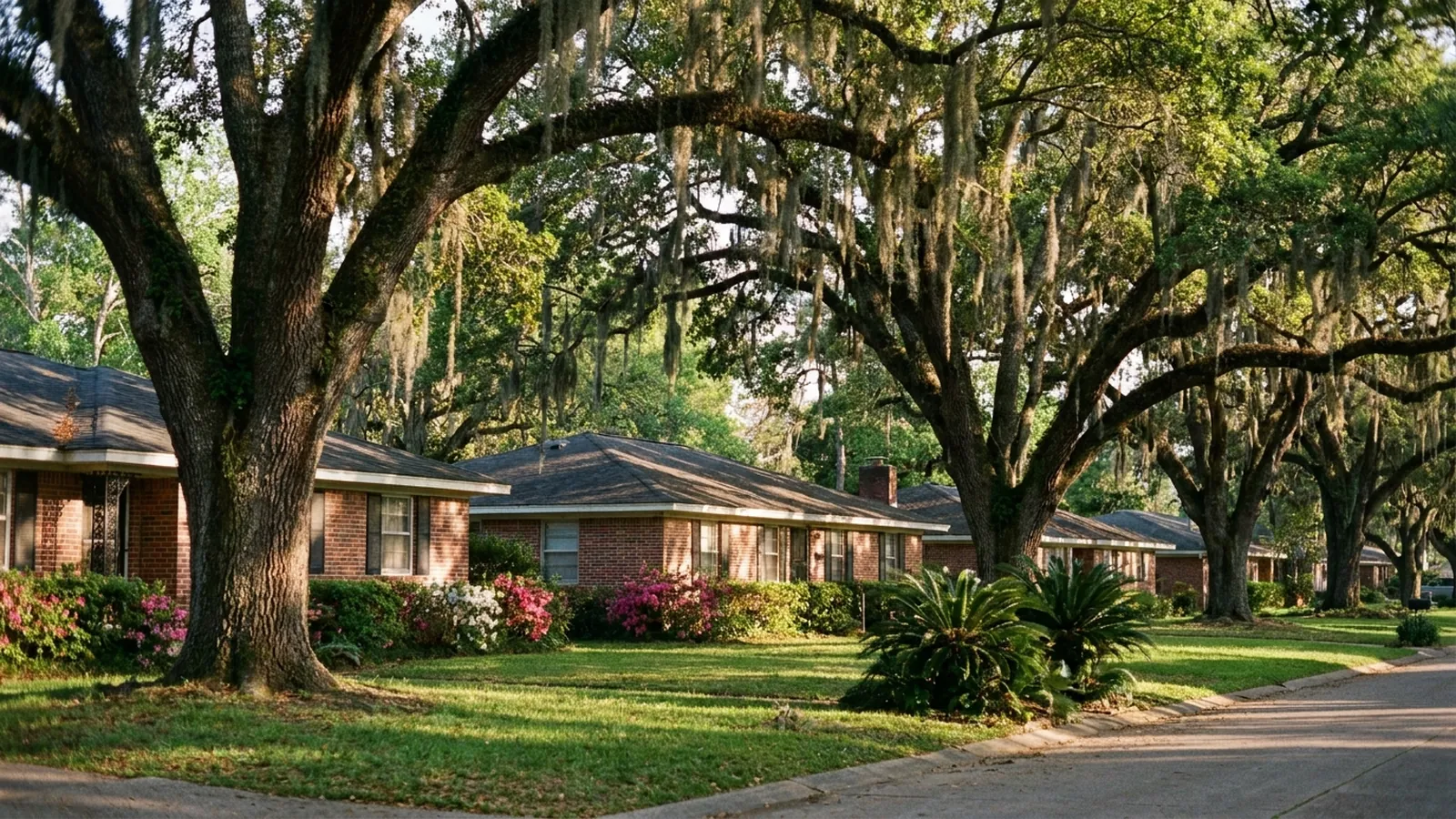
A good Baton Rouge foundation repair evaluation takes about 60–90 minutes and includes floor elevation readings across the whole footprint, dated crack measurements, an exterior water review, and a written assessment. There is no charge anywhere in the five parishes we serve.
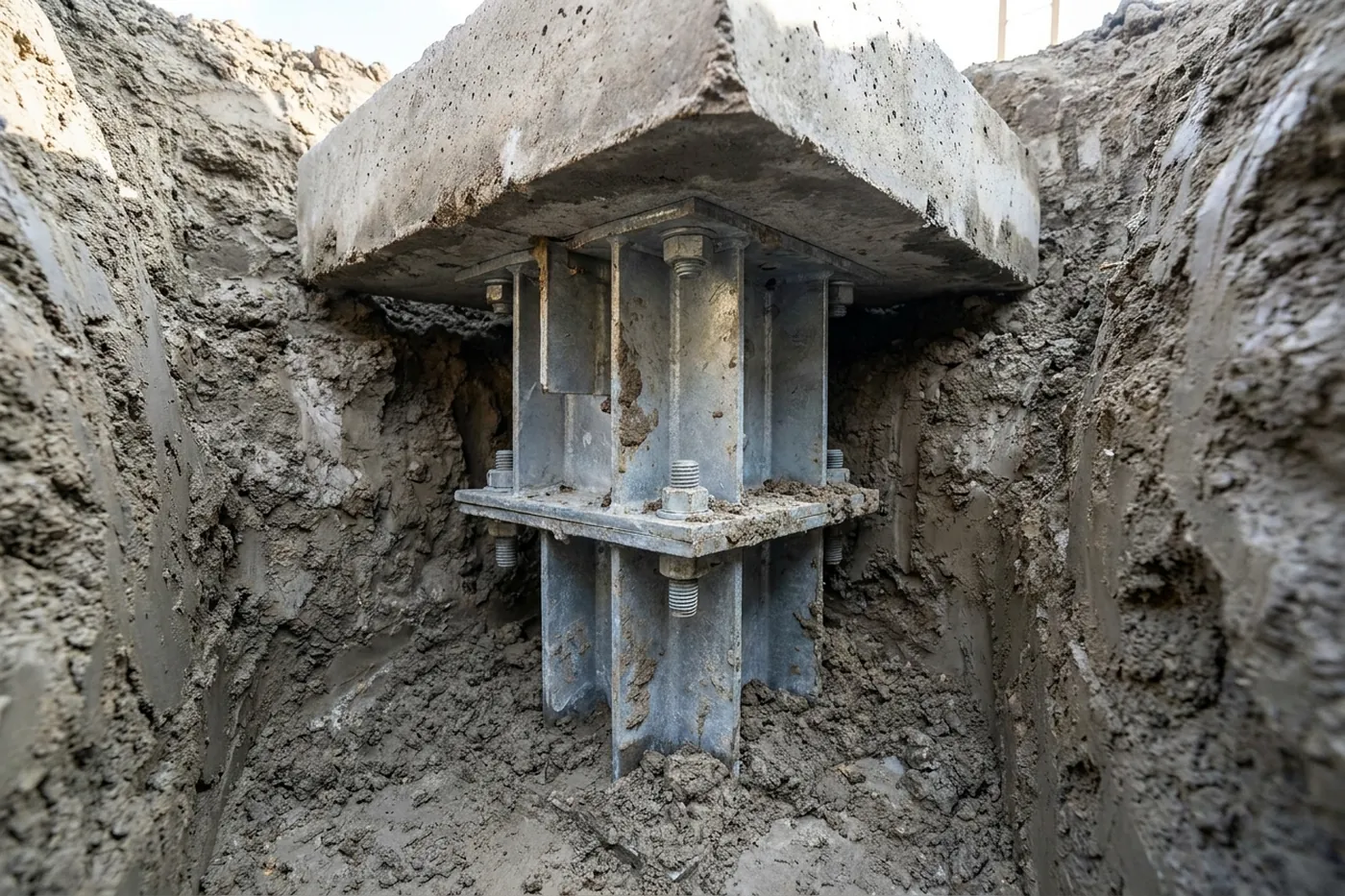
What should happen, in order
1. The walkthrough, with you. What is happening, when it started, what has changed. Your history of the house is information no instrument produces.
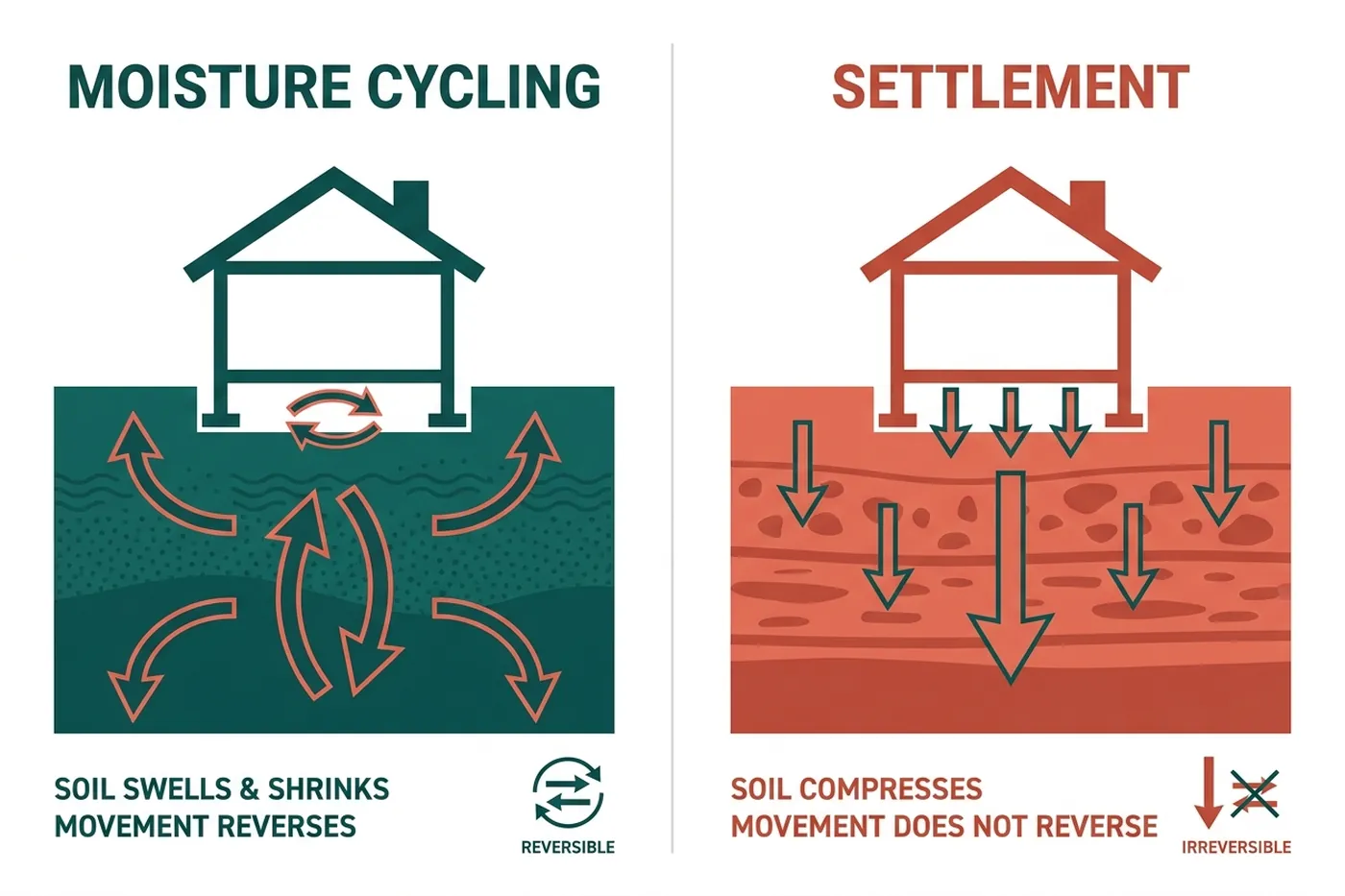
2. Elevations across the entire footprint. Not beside the damaged wall — across the whole floor plan, so the shape of the movement is visible rather than assumed. This is the measurement that separates settlement from moisture cycling, and it is the reason for the visit.
3. Cracks measured, dated, photographed. Width at the widest point, offset between sides, against a ruler. That record is what makes a future comparison possible.
4. The exterior water walk. Where the roof discharges, which way the ground falls in the first ten feet, where water stands after rain. In a parish taking nearly 62 inches a year this is rarely irrelevant.
5. The written assessment. Which mechanism the evidence supports, and what the readings do and do not justify — including "nothing yet" where that is the honest answer.
What to ask for, and keep
- The elevation readings themselves, as numbers rather than a summary
- Dated crack measurements and photographs
- A written assessment naming the mechanism the evidence supports
- Where work is justified: a scope with depth assumption, per-foot overage rate, pier log commitment, lift target, and the license class the project falls under
Plain enough to hand to another contractor, which is the point. Compare against the published ranges before you decide anything.
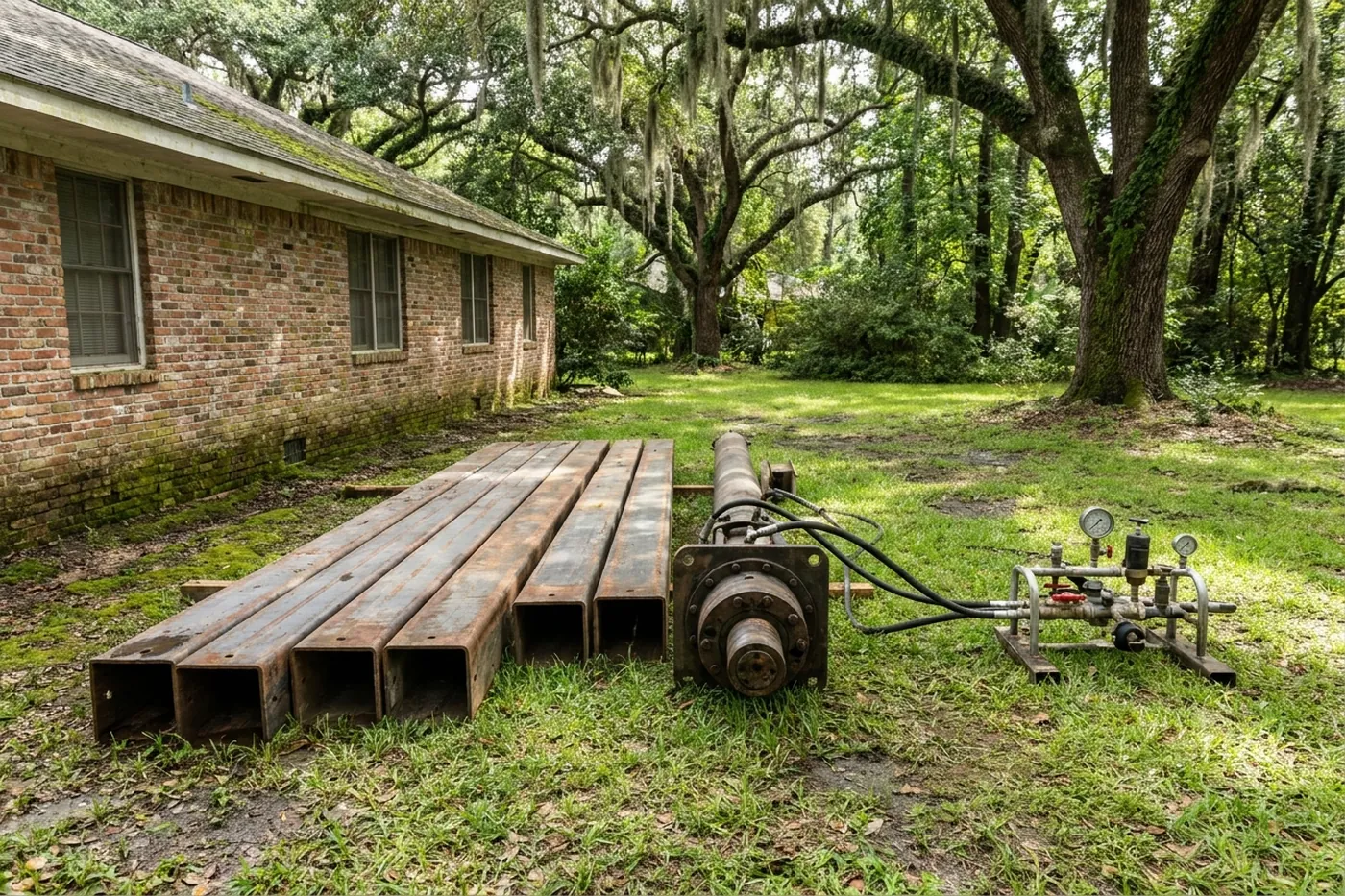
Bring another company's bid if you have one
Ask the specialist to read it with you, line by line, and say whether the four things that make a foundation bid comparable are actually in it. There is no expectation that you switch. In a market where most homeowners compare bids on the total, reading the assumptions instead is worth more than a second opinion on price.
Evaluation questions
Is the first visit free?
Many local specialists don't charge for the first visit, but it depends on the company. Ask when the specialist calls, before they come out, and ask for the elevation survey and the written scope as part of it.
How long does the visit take?
Usually sixty to ninety minutes for an average home. Taking elevations across a whole footprint properly is the part that takes time, and it is also the part that makes the rest worth anything, so it should not be rushed.
Do I need to be there?
You need to be there, for the walkthrough at least. You know when the symptoms started and what has changed, and that history is genuinely diagnostic. It also means you can have the findings explained at the house rather than summarised in a document later.
When do I get a price?
Ask for a written price after the specialist has seen the foundation. The priced scope follows the visit, because the depth assumption and pier layout deserve to be worked out rather than improvised at your kitchen table.
What if nothing needs doing?
Then that is what the assessment should say, and it happens often enough to mention. Flat elevations and crack widths unchanged across a full wet and dry season mean the right recommendation is to keep measuring. Ask to keep the baseline readings for next time.
Get a Baton Rouge foundation evaluation
Tell us what the house is doing and roughly when it started — a crack that opens in dry weather and closes after rain reads differently from one that only ever widens. If you know which way the floor falls, say so. That single detail often separates a moisture problem from a ground-movement problem before anyone visits. A local specialist who serves Baton Rouge will call you back.