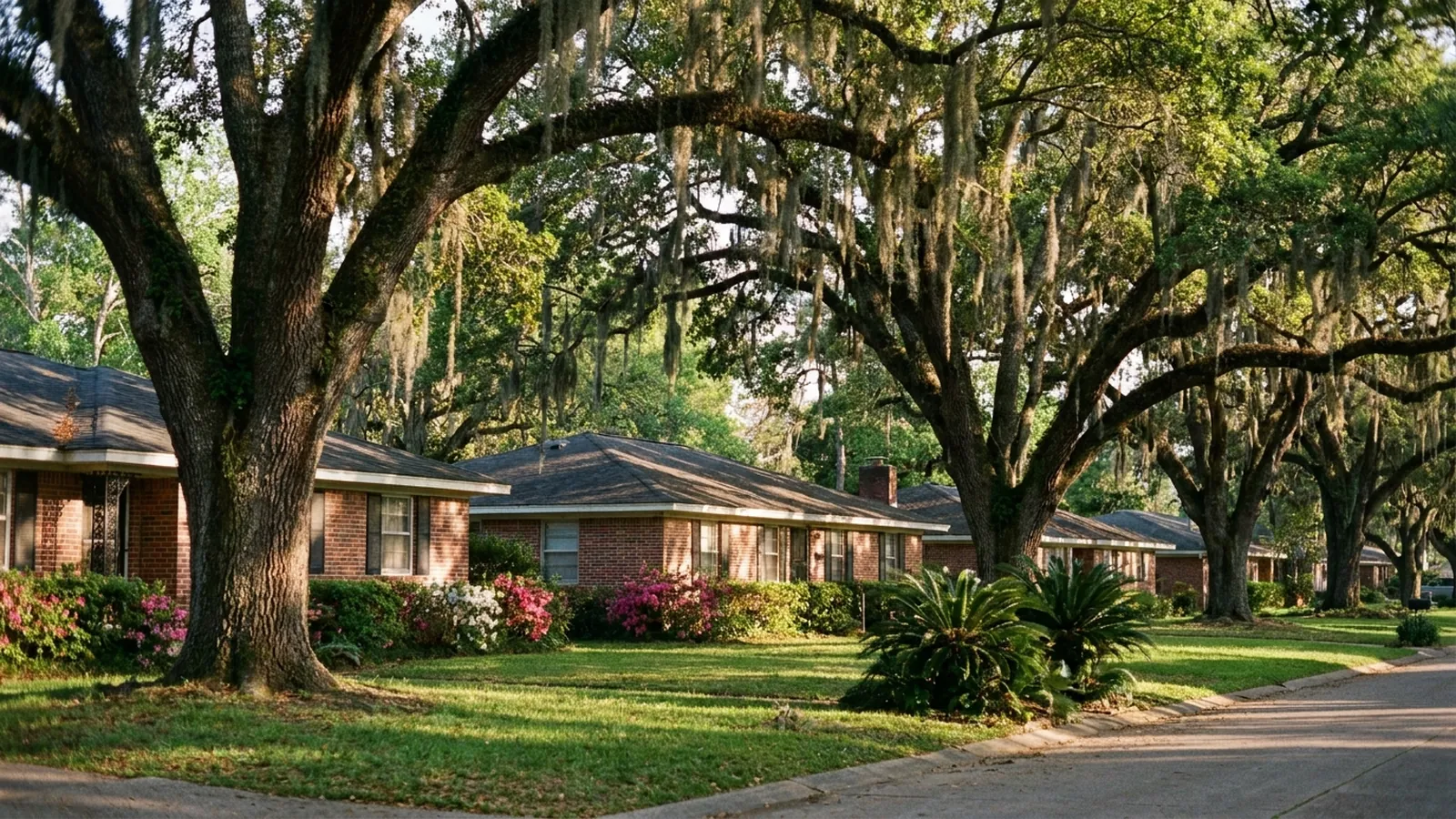
Foundation repair in Baton Rouge costs $4,000–$15,000 for most homes, piers $1,200–$3,000 each. Soft alluvial clay under 60.65 inches of rain a year both swells with moisture and consolidates under load — and those two produce similar damage needing different repairs.
How to tell which one your house has, what each repair costs, and what an evaluation actually includes.
The question worth answering before you spend anything
Most foundation markets have one mechanism. Here there are two that look alike from the driveway.
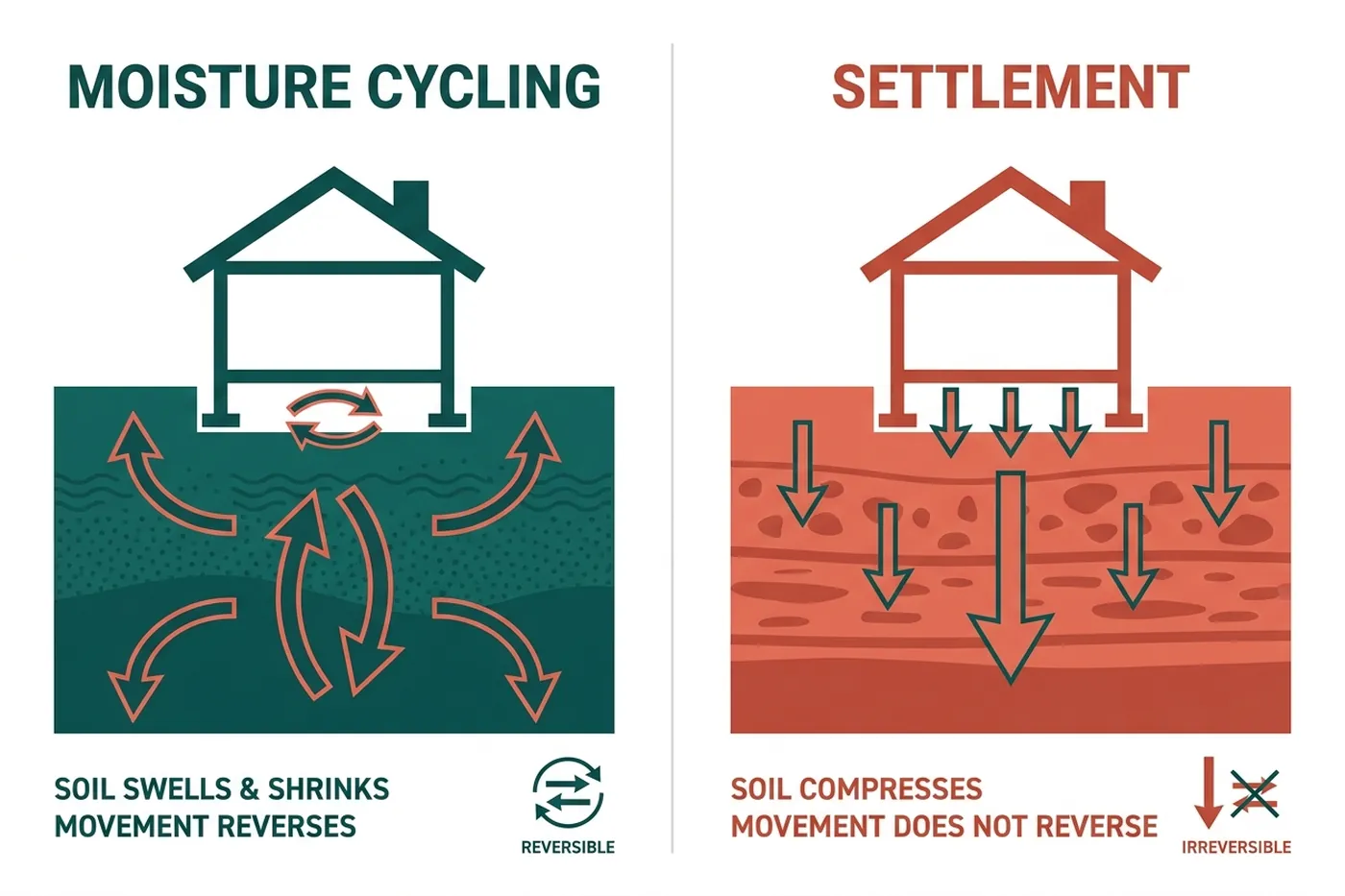
Moisture cycling. Clay takes on water and swells, dries out and shrinks, and the foundation moves with it. The signature is that it reverses — cracks widen through a dry spell and close after a wet one, doors stick in one season and swing free in another. The fix is managing where water goes, at $1,500–$6,000.
Settlement. The house sinks into soft ground and stays there. The signature is that it does not reverse — a consistent slope across the footprint, cracks that only ever widen. The fix is support taken down to bearing, at $4,000–$15,000.
Buying the second when you needed the first is expensive. Buying the first when you needed the second means buying twice. Floor elevation readings across the whole footprint tell the two apart, and the specialist takes them — including when the answer is that nothing needs doing yet.
What we do
Foundation Piering & Underpinning
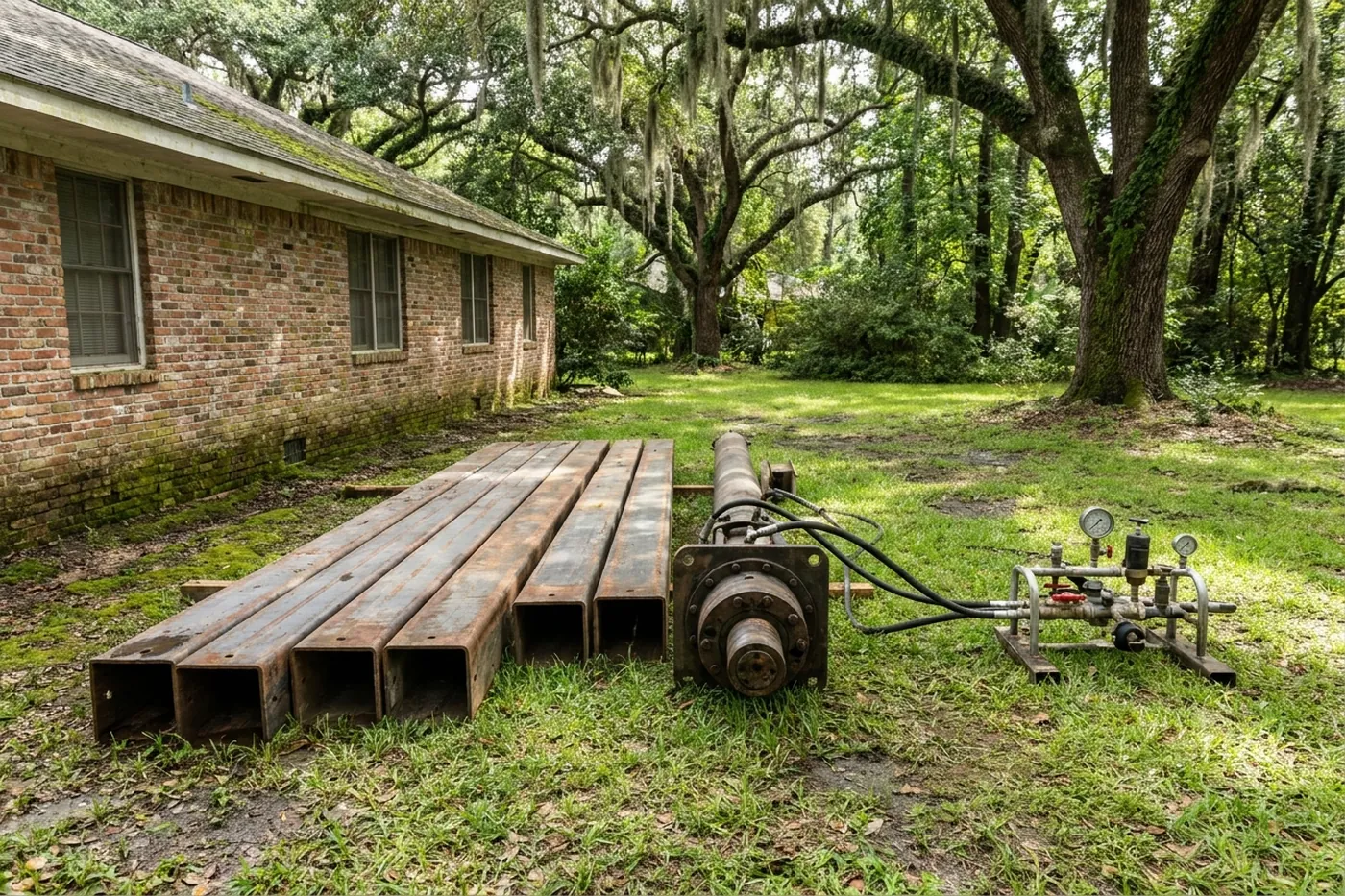
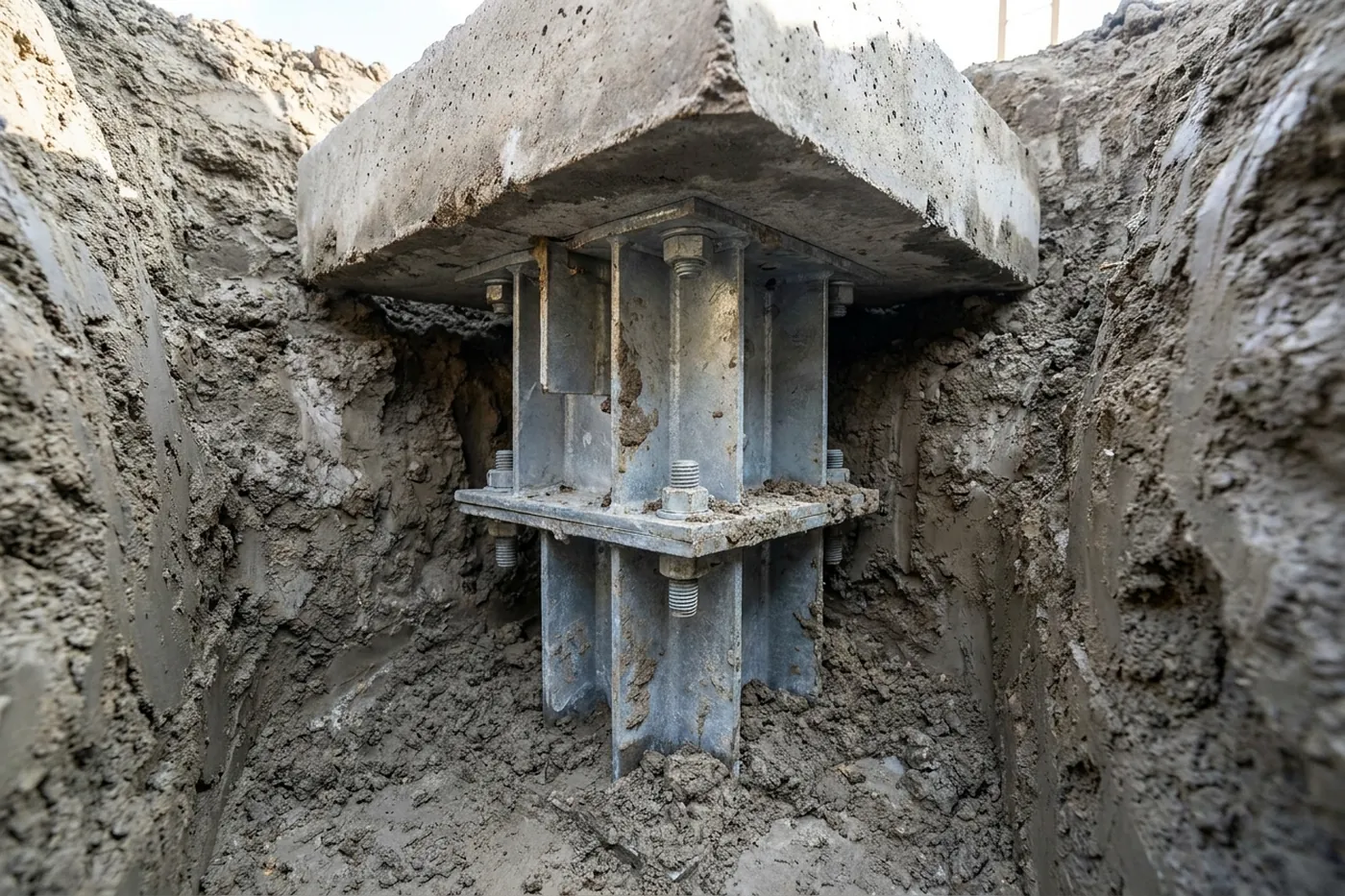
Steel through soft alluvial clay to something that carries load — after the readings say support is what you need.
Slab Foundation Repair
Most Baton Rouge houses are slab-on-grade, which means the foundation and the floor are the same object.
Foundation Crack Repair
A crack that breathes with the weather and a crack that only ever widens are two different diagnoses.
Drainage Correction
Sixty-two inches a year and a high water table — the standard first move, and the one that tells you what you are dealing with.
Concrete Leveling
Flatwork sinks before the house does. It is the cheapest early reading you will get.
House Leveling
The term most people here actually use — and what it does and does not mean on a slab.
Foundation Settlement Repair
Settlement is one of two things that produce these symptoms. Telling them apart is the whole job.
Does Insurance Cover Foundation Repair?
Usually no, with specific exceptions worth knowing before you file and before you buy.
What it costs
| Work | Typical range | When it applies |
|---|---|---|
| Piering | $4,000–$15,000 | Readings show real settlement across part of the footprint |
| Slab repair | $3,500–$12,000 | Movement confined to a slab section rather than the whole house |
| House leveling | $3,000–$15,000 | Depends on pier-and-beam versus slab construction |
| Drainage correction | $1,500–$6,000 | Symptoms track rainfall and elevations are still close to flat |
| Crack repair | $400–$1,500 | Movement has demonstrably stopped |
| Concrete leveling | $500–$2,500 | Flatwork has sunk, house unaffected |
Full breakdown, including why two honest bids can differ by thousands, on the Baton Rouge cost guide.
Where we work
Across East Baton Rouge, Livingston, and Ascension parishes, plus the west bank. Three parishes means three permitting offices, and a good scope names which one your job goes through.
Zachary · Baker · Central · Denham Springs · Gonzales · Prairieville · Walker · Port Allen · Plaquemine
Full list on the service areas page.
What an evaluation includes
- Floor elevation readings across the entire footprint, not just beside the damaged wall
- Crack widths measured, dated, and photographed for comparison later
- An exterior review of where roof and surface water actually goes
- A written assessment naming which mechanism the evidence supports
- A scope with the depth assumption, overage rate, and license class stated
You keep that document whether or not you hire us, and if the readings are flat and your cracks have not moved through a full wet and dry season, that is what it will say. See how we work or book the evaluation.
Common questions
How much does foundation repair cost in Baton Rouge?
Most full repairs run $4,000-$15,000, with piers commonly $1,200-$3,000 each. Crack repair is $400-$1,500 and drainage correction $1,500-$6,000. The largest single driver is how deep support has to reach through soft alluvial clay before it finds material that carries load.
How do I know whether my house needs piers or just drainage?
By how the movement behaves. Cracks that widen in dry weather and close after rain are clay responding to moisture, and that responds to drainage. Movement that only ever progresses in one direction points at settlement. Elevation readings across the footprint separate the two.
What causes foundation problems in Baton Rouge specifically?
Soft alluvial and deltaic clay with a high water table, worked by 60.65 inches of rain a year. The clay swells when wet and shrinks when dry, and consolidates under sustained load. Regional flooding accelerates both. It is ordinary soil behaviour, and it is well understood.
Is there a charge for an evaluation?
Many local specialists don't charge for the first visit, but it depends on the company. Ask when the specialist calls, before they come out. Ask for floor elevation readings across the whole footprint, dated crack measurements, an exterior review of where water goes, and a written assessment, and ask to keep the document whether or not you hire the specialist.
How long does the work take?
Most residential jobs run two to five working days on site once the layout is set, and the house stays occupied throughout. Drainage work is usually one to two days. Concrete leveling is often finished in hours.
What license should a foundation contractor hold here?
Louisiana requires a Home Improvement Registration for residential projects from $7,500 to $50,000, and a Residential or Commercial license above $50,000. Ask which one the company holds for your project's bracket and verify it with the Louisiana State Licensing Board for Contractors.
Get a Baton Rouge foundation evaluation
Tell us what the house is doing and roughly when it started — a crack that opens in dry weather and closes after rain reads differently from one that only ever widens. If you know which way the floor falls, say so. That single detail often separates a moisture problem from a ground-movement problem before anyone visits. A local specialist who serves Baton Rouge will call you back.