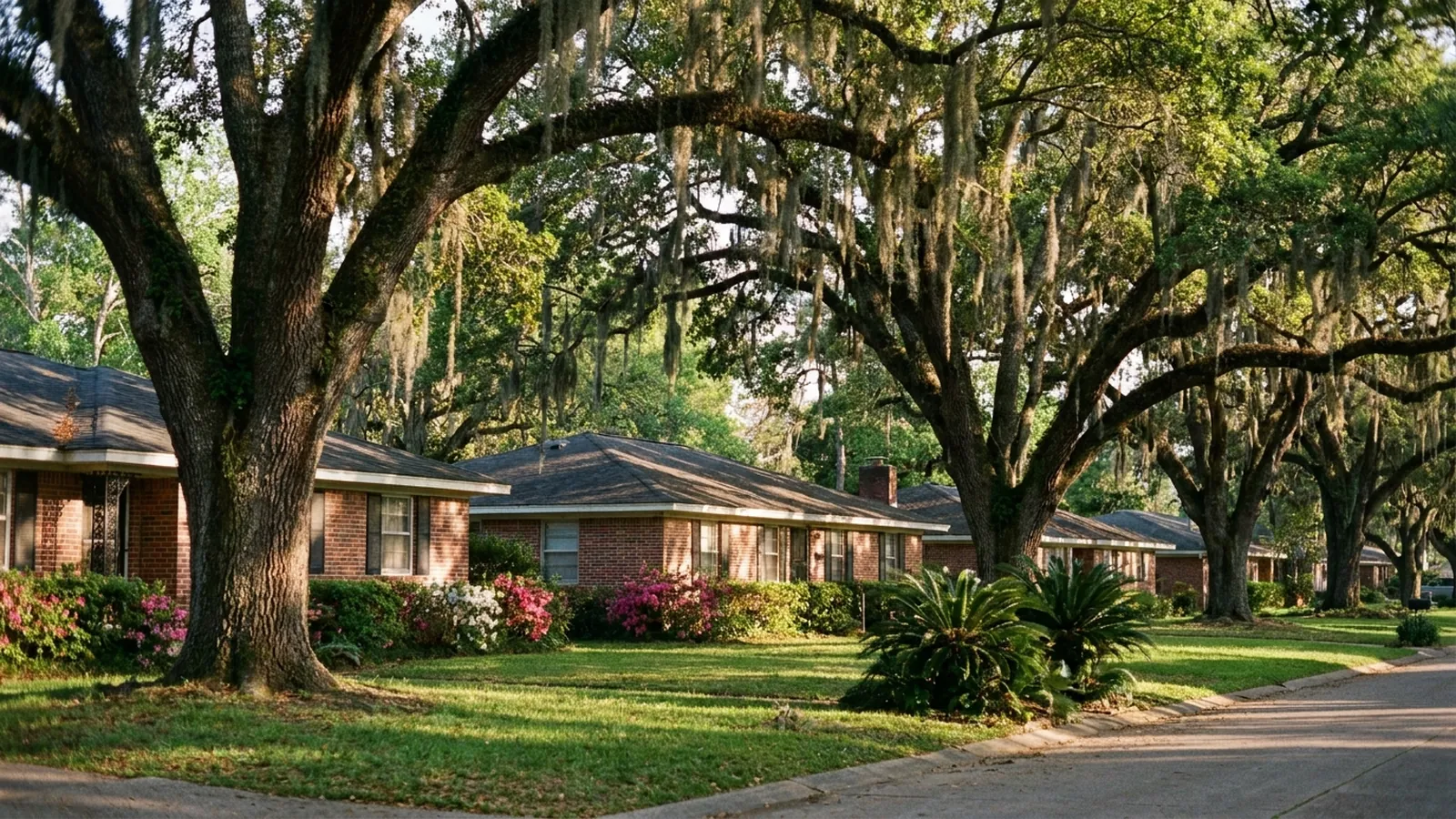
Foundation repair in Central runs $4,000–$15,000, piers $1,200–$3,000 each. After 2016 the more useful first spend is often an elevation survey rather than any repair — establishing whether post-flood movement is still active decides whether you should be buying work yet.
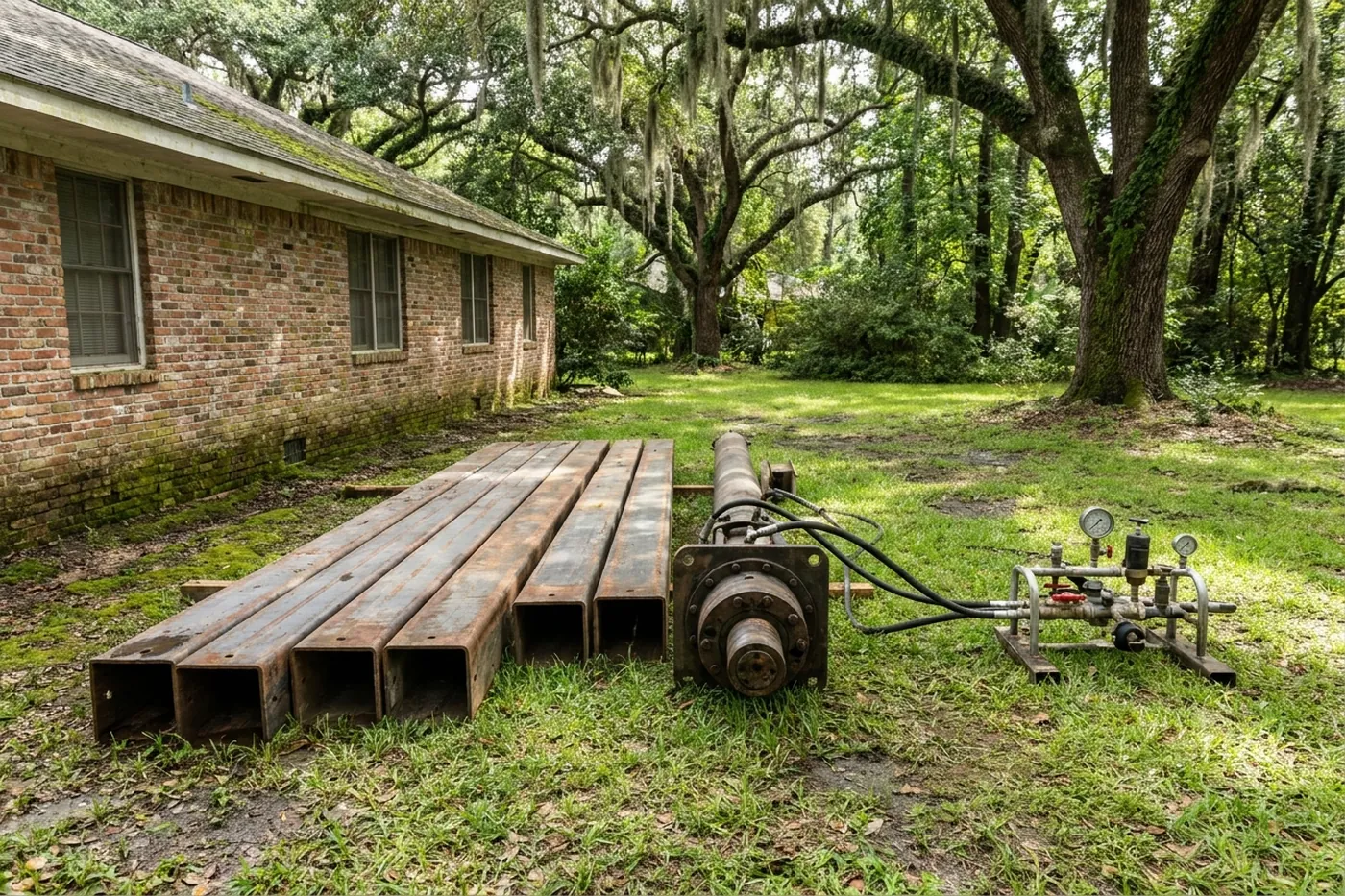
What saturation does after the water leaves
The August 2016 flooding put water across large parts of Central, and the visible damage was addressed years ago. The foundation question is slower. Clay that has been thoroughly saturated gives up that water gradually, and a house sitting on it can keep settling long after the drywall was replaced.
That delay is why a wave of settlement claims followed the event rather than accompanying it. It is also why insurers frequently characterise the later movement as a soil condition rather than direct flood damage — a distinction covered on the insurance page, and one worth understanding before you file.
Readings now beat readings never
If your house came through 2016 and you have never had elevations taken, taking them now establishes a baseline. On its own a single set tells you the current shape. Repeated a year later, the pair tells you whether anything is still moving — which is the actual question, and the one no amount of looking at cracks will answer.
Asked in Central
How much does foundation repair cost in Central?
Most full repairs run $4,000-$15,000, piers commonly $1,200-$3,000 each. In Central the more useful early spend is often an elevation survey rather than any repair, because establishing whether post-2016 movement is still active determines whether you should be buying work at all yet.
My house flooded in 2016 and cracked later. Are those connected?
Frequently, and the delay is the mechanism rather than evidence against it. Saturated clay releases water slowly and consolidates as it does, so settlement can emerge months or years after the water left. Note when each symptom appeared - that timeline is genuinely diagnostic.
Will insurance cover settlement that started after the flood?
Often disputed. Flood policies respond to damage caused by the flood event, and insurers commonly characterise later settlement as a soil condition instead. Prompt documentation - elevation readings and dated photographs - is what strengthens that conversation, and it has to exist before the argument starts.
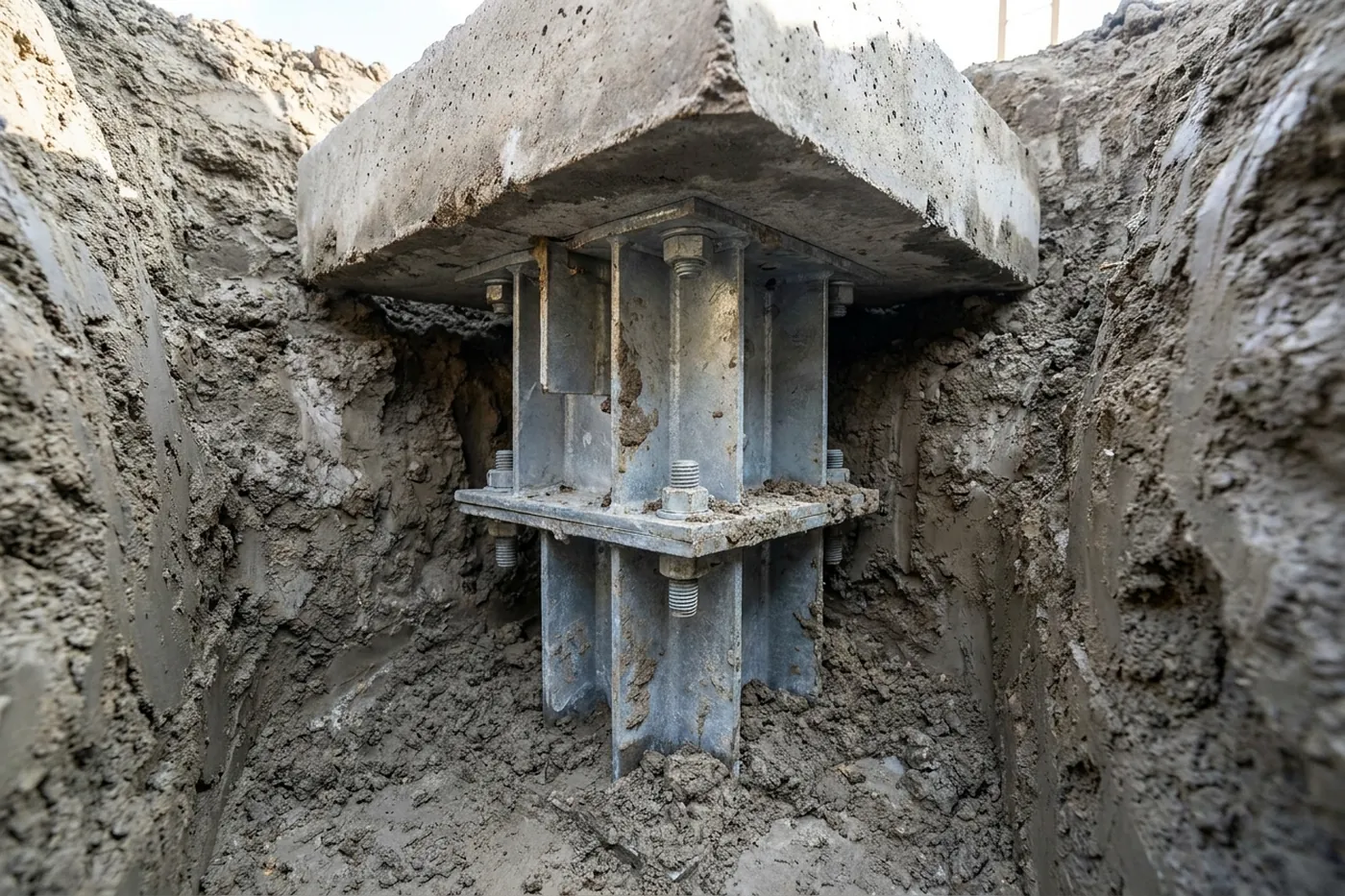
Evaluation in Central
Ask whether the visit is free; ask for the elevation survey and the written scope as part of it. If the readings are flat and your cracks have not moved through a full wet and dry season, that is what the report should say, so ask to keep the baseline for the next time the question comes up.
Get a Baton Rouge foundation evaluation
Tell us what the house is doing and roughly when it started — a crack that opens in dry weather and closes after rain reads differently from one that only ever widens. If you know which way the floor falls, say so. That single detail often separates a moisture problem from a ground-movement problem before anyone visits. A local specialist who serves Baton Rouge will call you back.